 |
| © Beatrix Nutz / INSTITUT FÜR ARCHAOLOGIEN, UNIVERSITAT INNSBRUCK / EPA/MAXPPP |
"Paul Poiret," I would have said without hesitation in answer to the question, "who invented the first modern-day bra?" But Beatrix Nutz, archaeologist from Austria's University of Innsbruck, has recently published findings from the Lengberg Castle which include four linen brassieres dating from the Middle Ages. 2700 textiles fragments were stuffed in beneath flooring laid during the 15th century addition of another storey to the edifice, permitting a peek today at what look like surprisingly modern underpinnings.
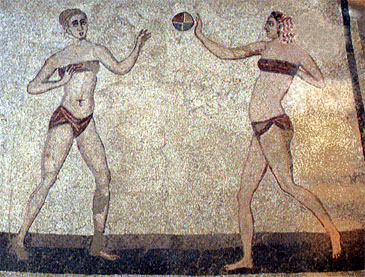
It isn't that the concept of controlling giggle was historically unknown to us, but those Roman sports bands were child's play in terms of construction next to this sophistication. Separate cups, real straps and apparently - though now lost - a back strap for closing system, once again the 'Dark Ages' prove themselves to be modern and inventive. Two among the four garments even show signs of going beyond the functional with needle-lace embellishments on the straps and cups.
 |
| photo via marie-laurePoiret design from 1915 |
We still have Monsieur Poiret to thank for helping to free women from corsets in the beginning of the
20th century, but now we can see his stylish (re-)invention as part fashion's - most often - anonymous cycles.
links


